Moringas Continue to Thrive
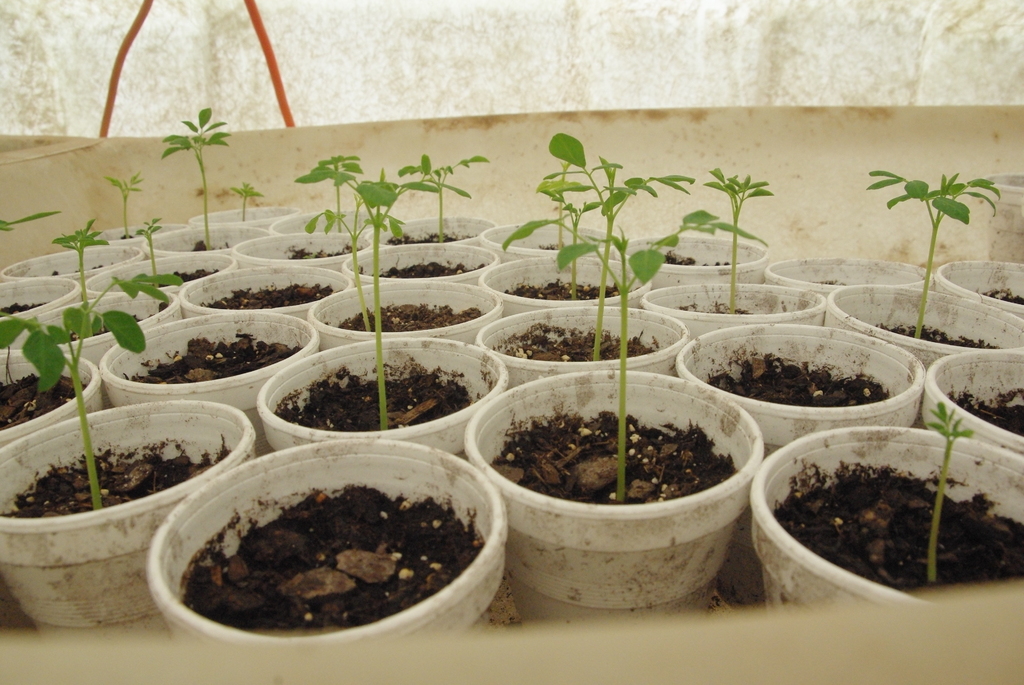
The Moringa sprouts continue to jump up out of the starting pots. Soon we will have to transplant them into larger pots before they get root-bound. Eventually we will place them into the little garden patch where we intend to grow them for the leaves. To do that, we will prune the branches to encourage them to produce more horizontally instead of vertically. This should produce more leaves we can then harvest. After that we may dry the leaves, which has a tendency to concentrate some of the vitamins.
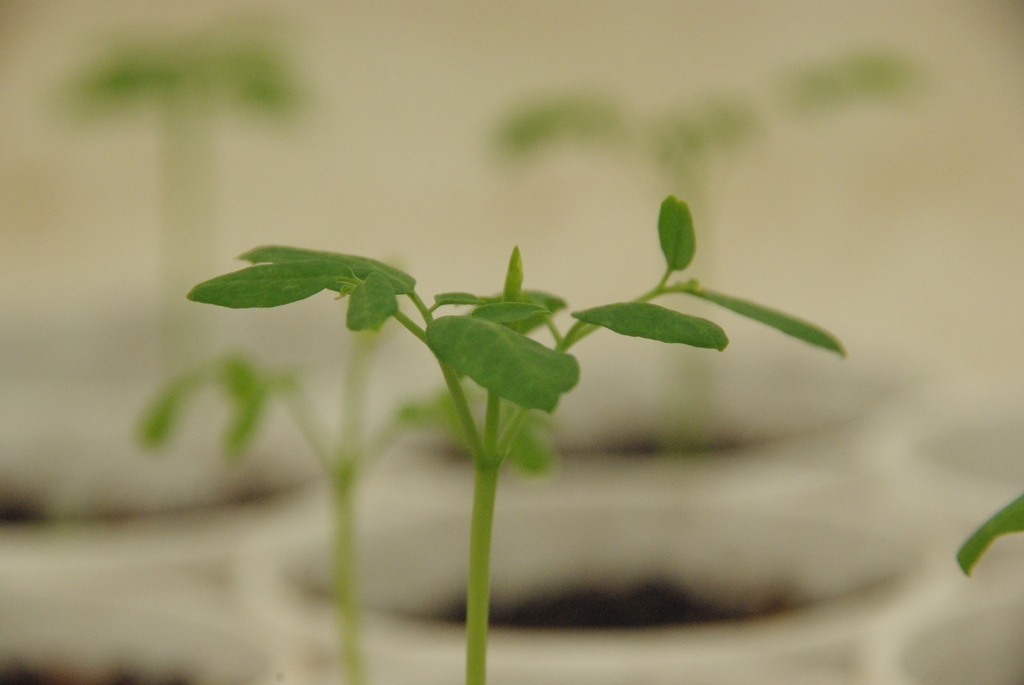
We will let the potted plants grow at least 8 weeks or longer before transplanting to the ground. Critters will eat the Moringa babies if they can. Since we live in a particularly hot zone, we don’t want to expose the baby plants to all day sun until they are older.
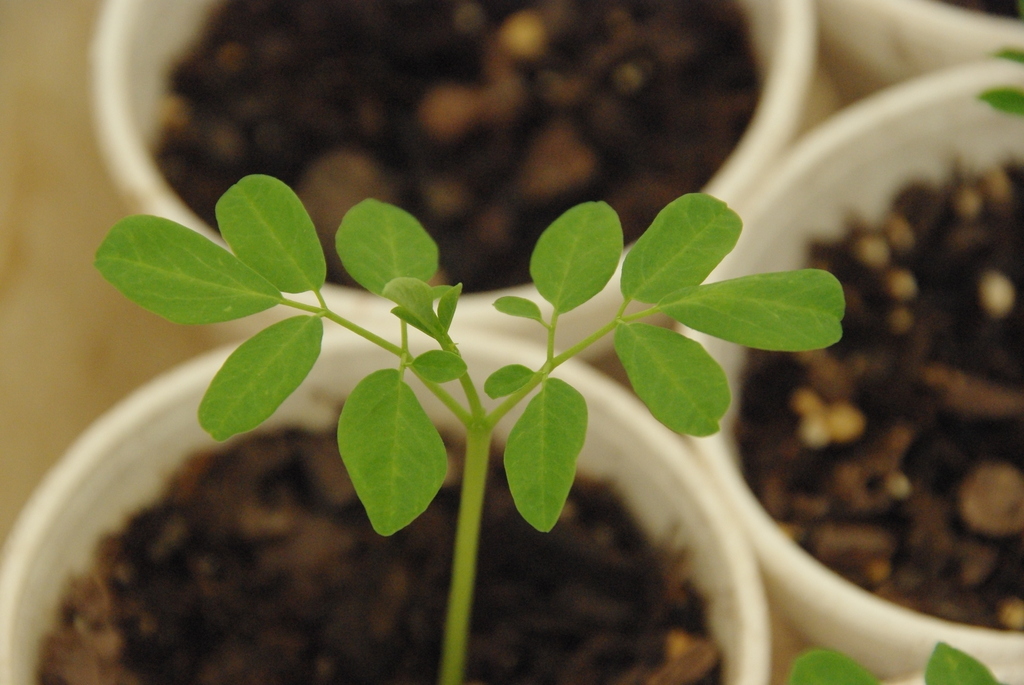
We will be using plastic pots, so before transplanting to the ground, we use a long thin blade to loosen the soil from the inside edges of the pot, then turn the pot upside down to allow the entire plant and soil to slide out of the container. This prevents disturbing the roots. We will have a hole already dug and gently place the root ball in the hole. We will space the plants 7-10 feet apart for optimum access to the mature tree. The tree will branch out 3-4 feet from the trunk so this spacing will allow us to walk between trees and let the sunlight do its job. Left alone, the tree can eventually reach 12 meters (~40ft.) in height with a trunk 30cm (~1 ft.) wide; however, the tree can be annually cut back to one meter (39in.) from the ground. The tree will quickly recover and produce leaves and pods within easy reach. Within three years a tree will yield 400-600 pods annually and a mature tree can produce up to 1,600 pods.
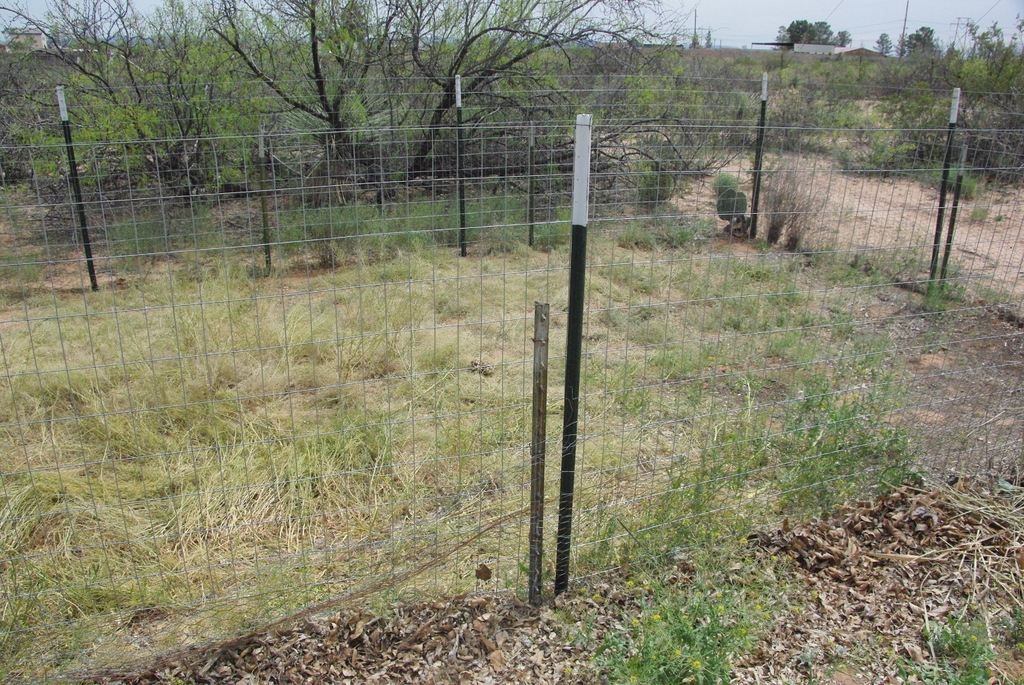
However, in the garden we will plant them much closer together because we will use that patch for leaf growth. We may plant them about a foot or so apart. Moringa trees can be planted in gardens; the tree’s root system does not compete with other crops for surface nutrients and the light shade provided by the tree will be beneficial to those vegetables which are less tolerant to direct sunlight. From the second year onwards, Moringa can be inter-cropped with maize, sunflower and other field crops. Sunflower is particularly recommended for helping to control weed growth. However, Moringa trees are reported to be highly competitive with eggplant (Solanum melongena) and sweet corn (Zea mays) and can reduce their yields by up to 50%.
When the seedlings reach a height of 60cm (~2ft.) in the main field, pinch (trim) the terminal growing tip 10cm (~4in.) from the top. This can be done using fingers since the terminal growth is tender, devoid of bark fiber and brittle, and therefore easily broken. Shears or knife blade can also be used. Secondary branches will begin appearing on the main stem below the cut about a week later. When they reach a length of 20cm (~8in.), cut these back to 10cm (~4in.). Use a sharp blade and make a slanting cut. Tertiary branches will appear, and these are also to be pinched in the same manner. This pinching, done four times before the flowers appear (when the tree is about three months old), will encourage the tree to become bushy and produce many pods within easy reach. Pinching helps the tree develop a strong production frame for maximizing the yield. If the pinching is not done, the tree has a tendency to shoot up vertically and grow tall, like a mast, with sparse flowers and few fruits found only at the very top.

Have a wonderful day in the Lord Jesus, and remember, wear gloves and watch what you handle during these times! We ask our Lord and Savior for guidance in all things. Sometimes, however, we don’t listen too well…